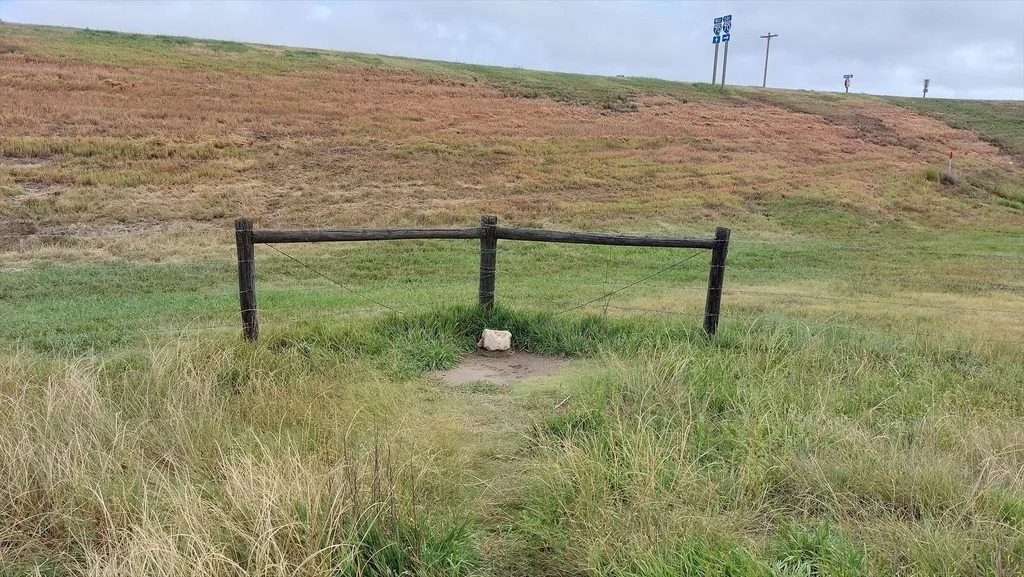
Some geocaches impress us with their mechanisms, camouflage or the scenery they lead us to. Some take hours of thinking. Others take us underground, to a mountain summit or on an adventure that stays with us for years. And then there is Mingo… A cache beside a road in Kansas, next to a fence. A container set into the ground. A difficulty rating that should not keep you busy all day. On paper, there is little to justify a journey halfway around the world. Yet geocachers travel remarkable distances to sign its logbook. Some even plan their find count so that Mingo becomes a milestone. Others arrange a detour that would raise an eyebrow from any muggle travel companion.
Mingo has something that no newly published cache can offer: it was already there in the earliest days of geocaching. Known by the code GC30, it is recognized as the world’s oldest active geocache. Behind that record lie missing containers, concrete, a stolen plaque, anniversary gatherings and many people determined to preserve this small piece of geocaching history.
| Name | Mingo |
| GC code | GC30 |
| Location | Near Colby, western Kansas, United States |
| Owner | The Kansas Stasher |
| Date shown on the cache page | May 11, 2000 |
| Type | Traditional |
| Difficulty / Terrain | 1 / 1 |
| Listed size | Regular |
| Distinction | The world’s oldest active geocache |
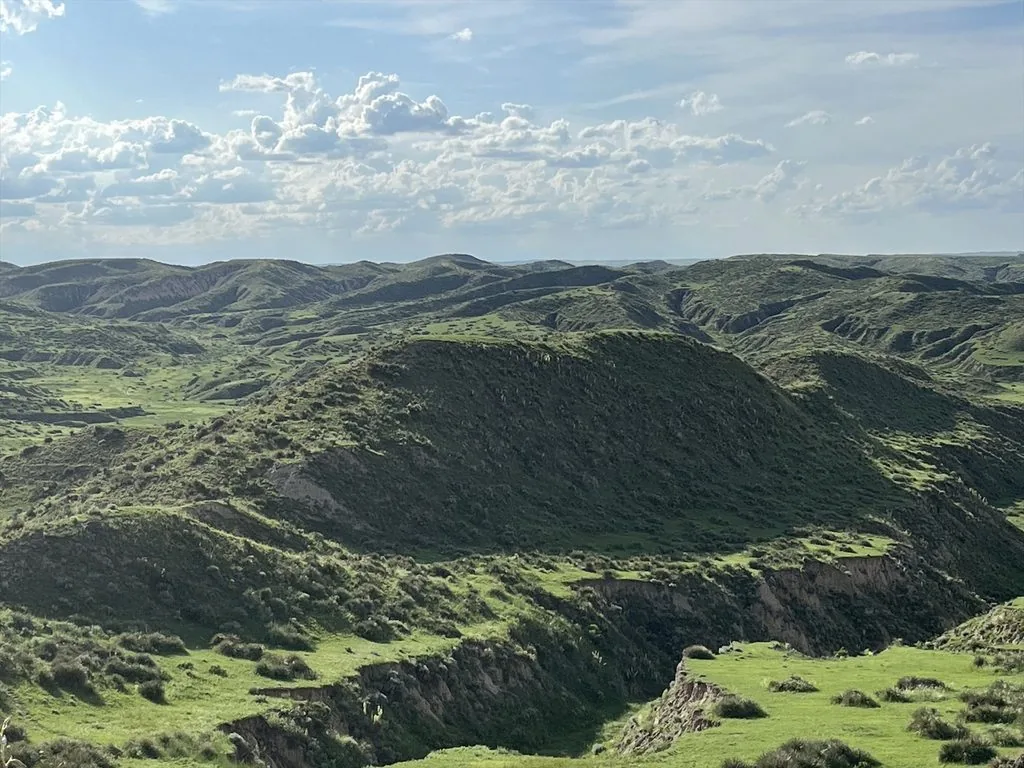
Mingo simply takes its name from the nearby rural community in Thomas County, Kansas. The cache is close to Exit 62 on Interstate 70. A few houses, a church and agricultural buildings make up the setting. Before becoming a familiar name to geocachers around the world, Mingo was first a dot on a map of Kansas.
View the larger map · Green marker: Mingo (GC30) · Orange marker: the memorial plaque (GC88ZW7).
Mingo’s official cache page remains the place to check when planning a visit and looking for the latest information. One point needs to be clear from the outset: Mingo is not the first geocache in history. It was one of the earliest, and its longevity is what gives it its special place. For this article, I drew mainly on Geocaching HQ’s article about Mingo and an April 2023 episode of the Geocache Adventures podcast featuring Ryan Semmel, one of Mingo’s guardian angels.
From the earliest days of geocaching to the title of oldest active cache
To understand Mingo, we need to return to a time when geocaching had no mobile app, no map filled with little symbols and no community organized as it is today. In early May 2000, the United States switched off Selective Availability, the deliberate degradation of the GPS signal available to the public. The change took place overnight between May 1 and May 2, Eastern Time. Civilian GPS receivers became much more accurate, without their users having to replace their equipment. For GPS enthusiasts, new possibilities opened up immediately.
On May 3, Dave Ulmer left a bucket in the woods near Beavercreek, Oregon. He recorded its coordinates and shared them online. Inside were a logbook and items to trade. The idea was to use a GPS receiver to find the container, then share the experience. Other people tried it, found the bucket and began hiding caches of their own. The idea spread quickly among enthusiasts.
It was in this setting that The Kansas Stasher placed Mingo. Nobody was calling it a geocache yet: the word did not exist. Matt Stum proposed the term geocaching on a mailing list on May 30, 2000. Mingo was therefore already there when the name we use today first appeared. At the beginning, it was a stash, one of those first caches whose coordinates circulated among enthusiasts. Geocaching.com would follow in September. It is a striking perspective: Mingo belongs to a time when the game was still taking shape through the experiments of its earliest participants. They were not creating monuments to be celebrated a quarter of a century later. They were trying out an idea.
Mingo’s cache page gives the date as May 11, 2000. That is the date to use when presenting the cache’s official history. A small discrepancy does appear in accounts of its origins, however. A 2020 article in Kansas Country Living reports that the container was placed on May 10 and its coordinates shared the following day. In the April 2023 Geocache Adventures podcast, Ryan Semmel also mentions a May 10 placement and says he discussed it with The Kansas Stasher. According to Ryan, the owner was not particularly interested in having the date changed: one day made little difference to its story.
Mingo is generally described as the seventh geocache ever created and the first in Kansas. The Kansas Stasher says so himself in the cache description. The caches that preceded it disappeared or were archived. Mingo kept going, eventually becoming the oldest still active. Recognition of that status appears gradually in accounts of the site. In an update dated August 29, 2004, its owner was already referring to discussions describing it as the oldest cache still in operation. The exact year it inherited that title is less clear: the memorial plaque gives 2002, while Ryan Semmel mentions around 2003 in his interview.
The site of the first cache, in Oregon, can still be visited. It is commemorated by the Original Stash Tribute Plaque, associated with cache GCGV0P, dated September 7, 2003. It is another major landmark in the history of the game, but this tribute cache has its own listing and placement date. It is not a continuation of the original active cache from May 2000. We will no doubt return to it in a future article.
A cache’s GC code does not automatically tell you its position in the order in which caches were placed. Caches that predated Geocaching.com were added to its database manually. Their identifiers follow that order of entry, which does not necessarily match their age in the field. The official Help Center uses Mingo as an example: GC30 is the 48th entry in the database, whereas Beverly, GC28, has a lower code despite a placement date of May 13, 2000, after Mingo.
A survivor with many lives
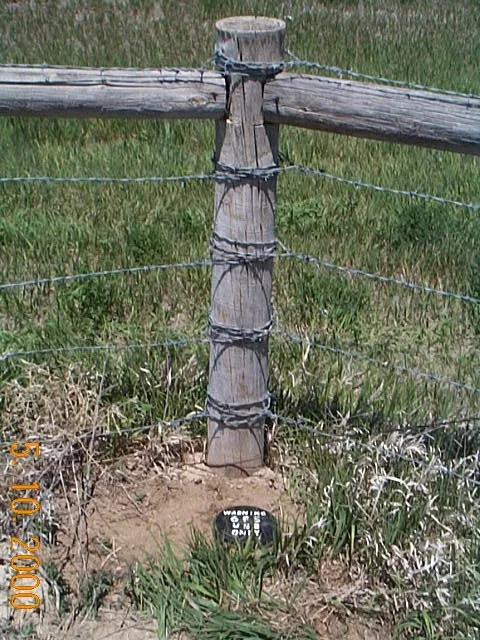
The promise in Mingo’s description takes just a few words: “Quick stop for a long trip.” It could hardly be more understated. For a cache that has become a destination in its own right, the phrase has acquired a special flavor. Mingo sits in the ground beside a fence post. Its appearance should not suggest that visitors need to bring a shovel: the container is accessed through an existing opening. Its installation does raise a question that geocachers often ask: how can a cache like this still exist? In its 2017 profile, Geocaching HQ explains that it is grandfathered in because of its age and its place in the game’s earliest days.
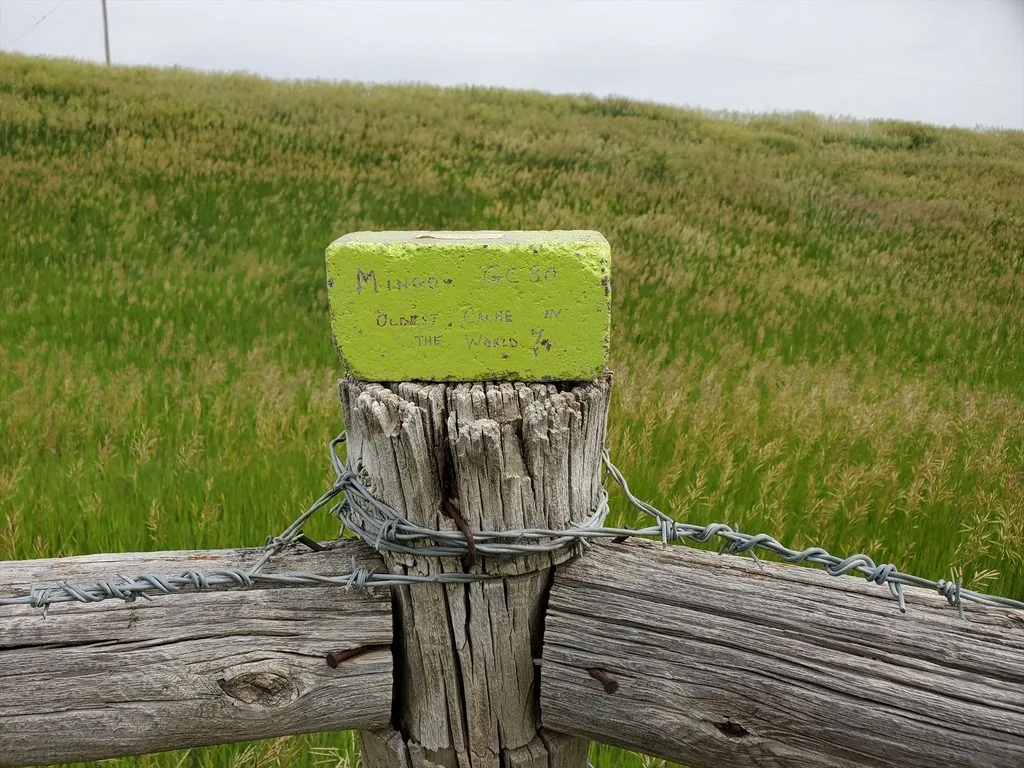
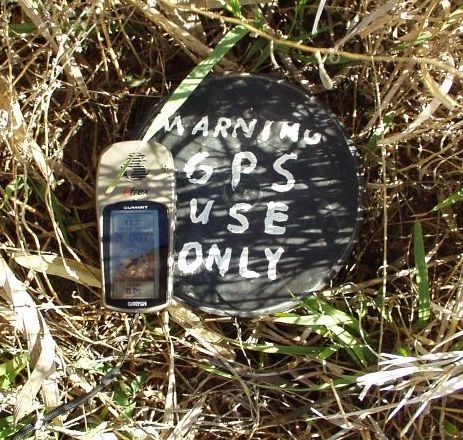
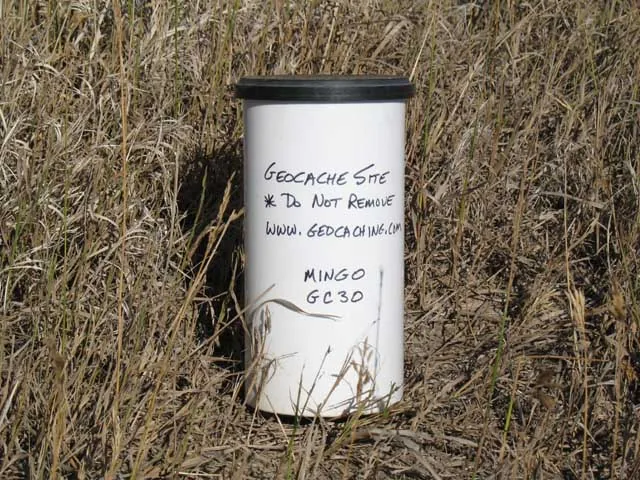
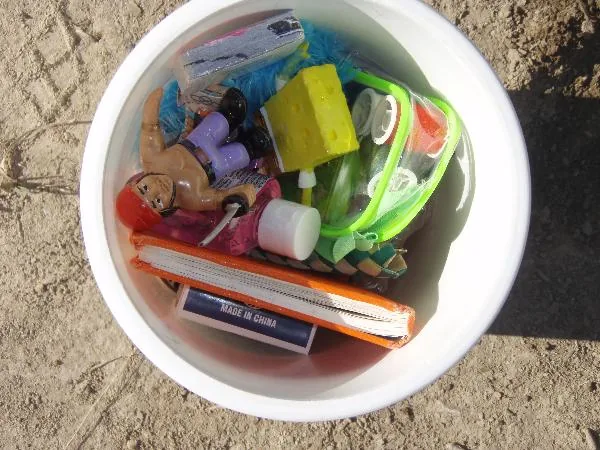
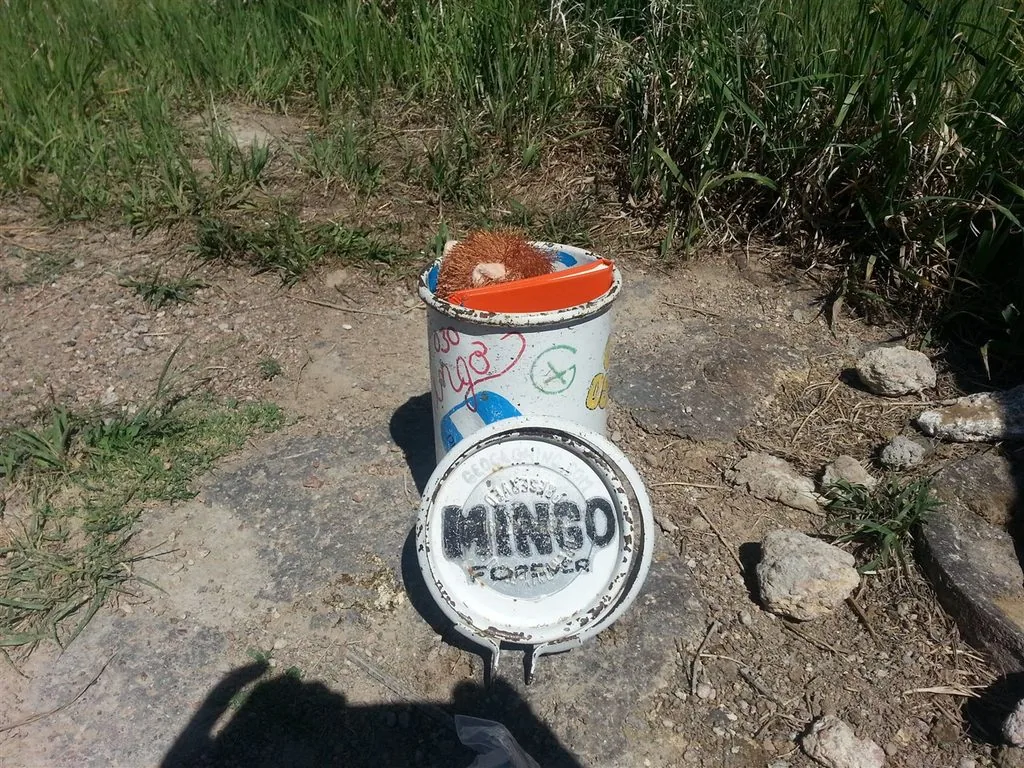
The current container is no longer the original. In the 2023 interview, Ryan Semmel describes an early metal container that he says had been used to store a military parachute. That model became difficult to find. Ryan mentions, in particular, installing a PVC tube with end caps around GeoWoodstock 14er in 2016, then keeping to that style of container as much as possible. Mingo’s physical history is therefore a story of replacements. Visitors find a cache maintained over time, with the repairs needed to keep it available. Logbooks and containers wear out, fill up or disappear. Replacing them is part of a cache’s life too.
One of the details Ryan describes is a brick painted yellow, with Mingo written on it in black marker. In 2023, he explained that it had stayed there through several changes of container. One box disappears, another arrives, and the brick remains. For an object sitting beside a famous cache, it seemed to be enjoying a remarkably quiet career.
You might imagine that such a well-known cache enjoys some special protection. Its history mainly shows that it has needed people willing to step in. Ryan Semmel mentions several missing containers and an occasion when the hole holding the cache was filled with expanding foam. Then came the concrete.
At one point, Mingo’s container was removed and its hole filled with concrete. For an ordinary cache, that might have been the end. Geocachers rallied, however, rented equipment and came to help The Kansas Stasher drill a new opening for the container. They drilled through the concrete, put the cache back and left the remaining concrete in place. According to Ryan, the resulting housing was even sturdier than the original hole in the ground. The concrete that had blocked access ended up helping to protect the cache. The group is also said to have brought from home the rock used to cover it. It is hard to think of a better illustration of people’s attachment to Mingo.
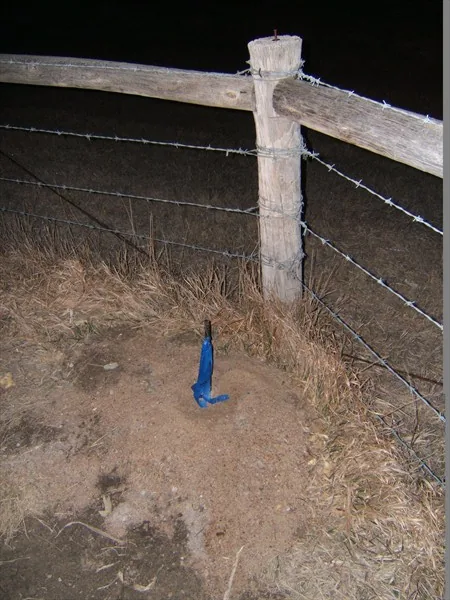
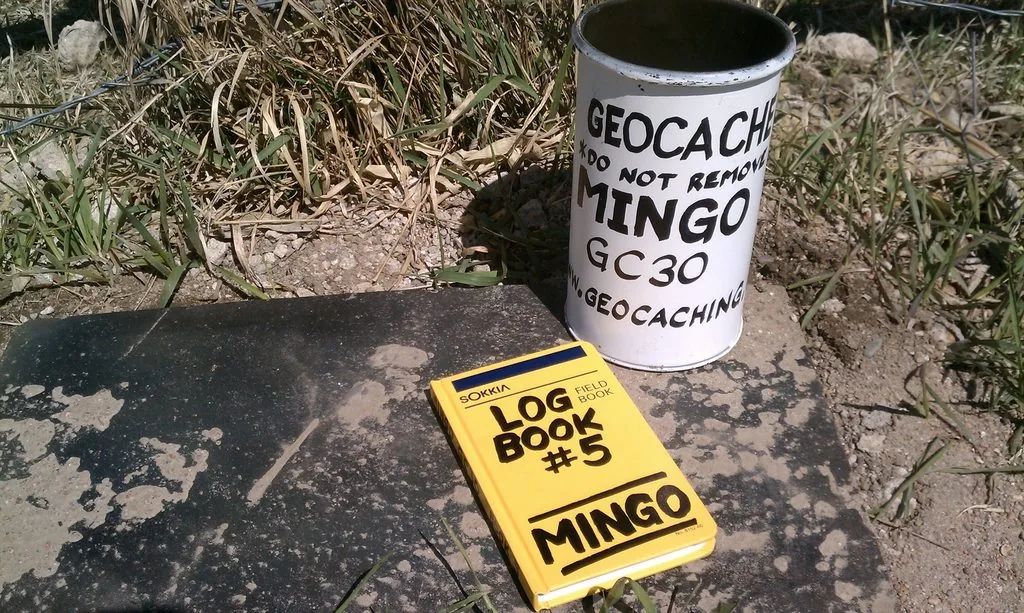
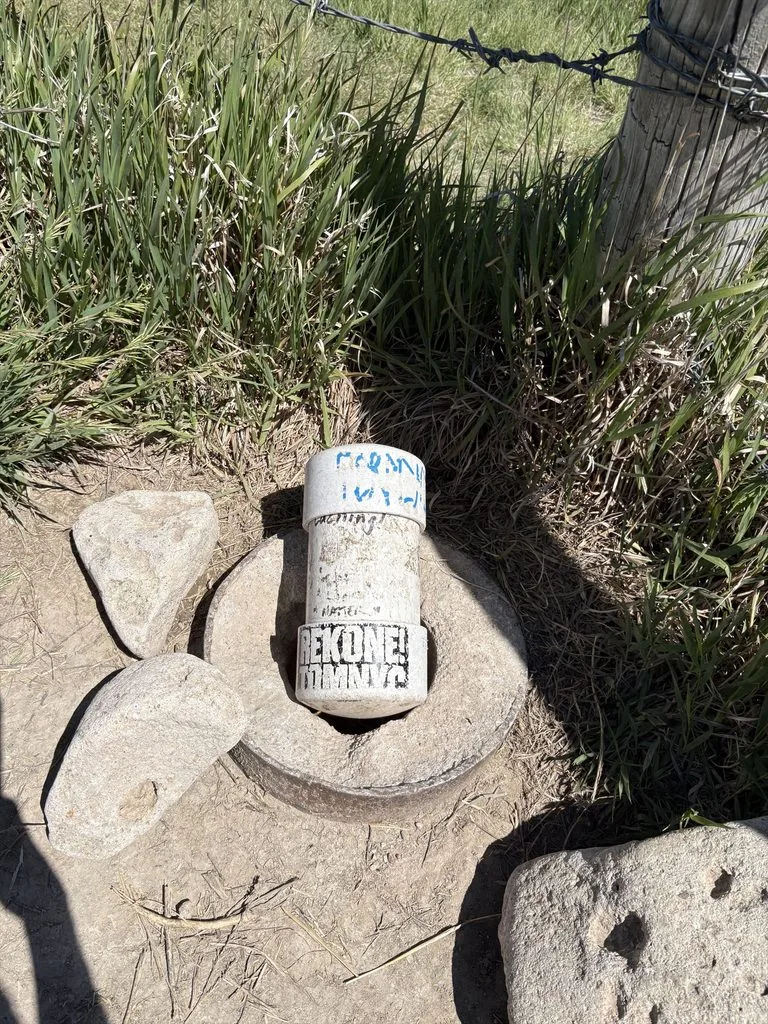
It would be tempting to describe this episode as sabotage whose circumstances were fully understood. Later in the interview, Ryan adds an important qualification: construction work was taking place nearby, and he does not know who filled the hole or why. The outcome and the rescue are described. The motive remains uncertain.
In the same interview, Ryan discusses the tensions that some visitors’ behavior can cause, including driving through a field to get closer to the cache. The history of the site involves more than replacing containers. It also means maintaining good relations with local residents, respecting access routes and making sure a geocaching stop does not become a problem for other people.
Why travel so far for Mingo?
The paradox is easy to understand: the more you hear about Mingo, the more you might expect something extraordinary when you arrive. Much of its appeal, however, lies in what you know about the place before you get there. Signing its logbook means joining a story that began in the earliest days of the game. For lovers of old caches, it is a meeting with the origins of an activity that has become a large part of their leisure time, travels and sometimes friendships. There is also the pleasure of finally reaching a destination long imagined. A name first seen in an article or on a map eventually becomes a place where you are actually standing, pen in hand.
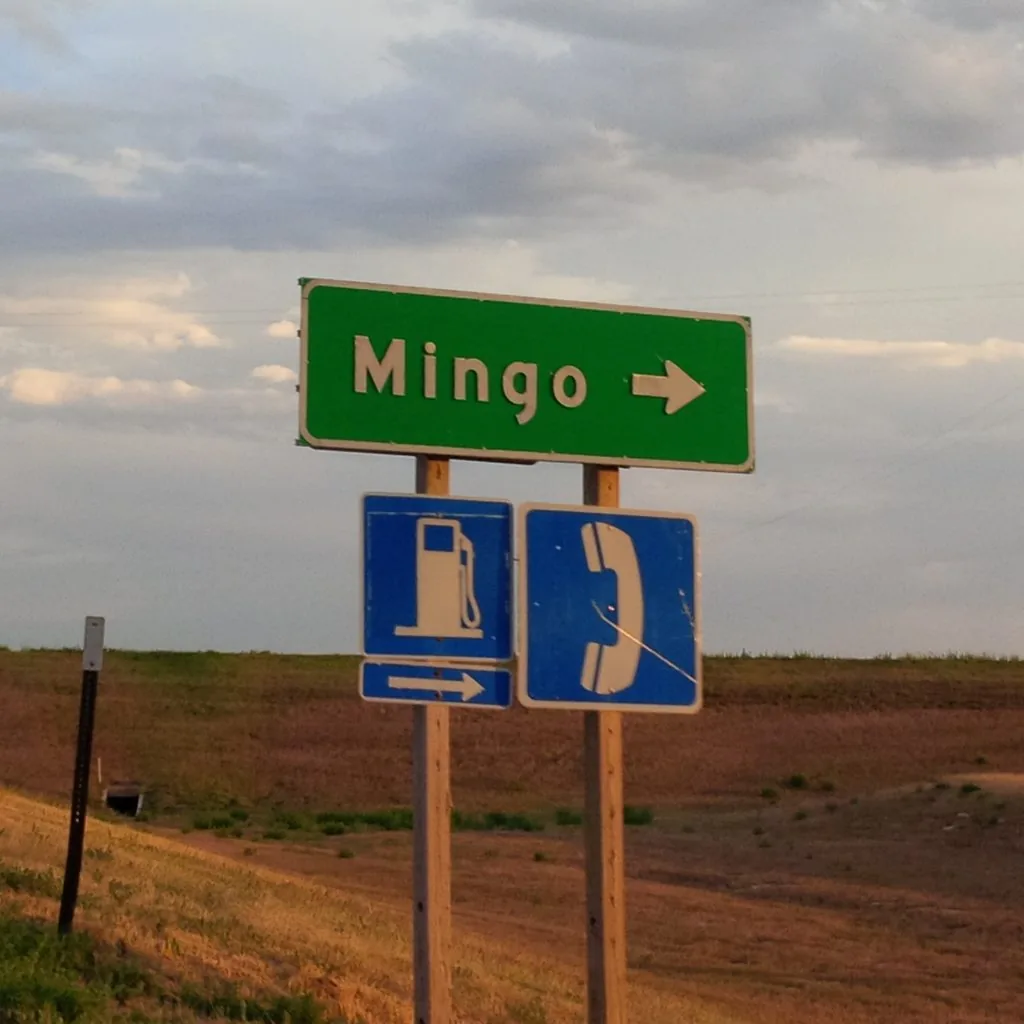
Mingo has hosted many meaningful milestones. Geocaching HQ’s 2017 profile shows visitors celebrating thousands of finds there and even mentions wedding anniversaries. Sometimes it takes a little planning to arrive with the right find count. One extra cache the day before, and that big round number is already behind you.
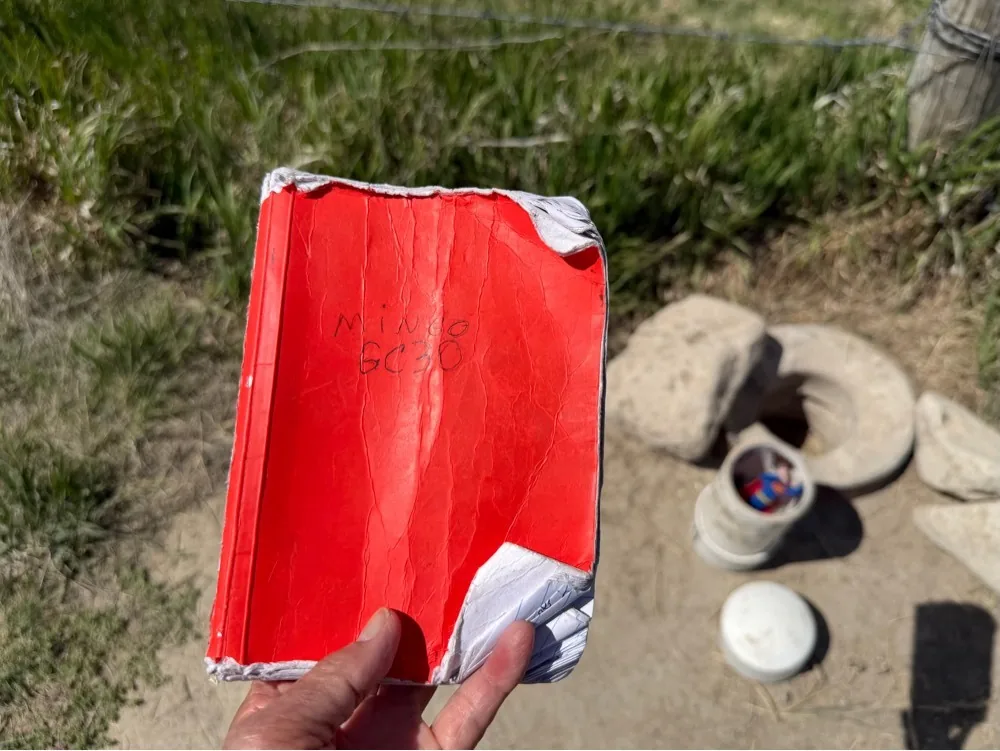
One of the stories Ryan tells concerns a traveler heading from Kansas to Colorado on a Greyhound bus, part of the American long-distance bus network. The passenger is said to have spent much of the journey talking about Mingo. As they approached the site, the bus reportedly left the interstate and stopped so that the geocacher could find it. A few other passengers are said to have gone along. Faced with the cache, their reaction was apparently something like: “Is that it?” Ryan makes clear that he no longer remembers every detail of the story. It deserves to be presented as a secondhand anecdote rather than a journey whose every stage has been documented. Even so, it captures Mingo’s charm very well: to fully appreciate such a simple container, you need to know what it represents.
Not every planned meeting with Mingo goes as expected. Ryan recalls a friend who wanted to celebrate a milestone there—her 200th find, as he remembers it—just as the cache was disabled after the concrete incident. To give her another way to mark the occasion, he says he created a cache made up of two hundred small boxes, only one of which contained what she needed to find. It is easy to imagine the organizer’s relief that she had not been planning her 10,000th find.
Mingo’s age also gives it a special place in a goal pursued by some geocachers: the Jasmer challenge. The idea is to find caches placed in each month since geocaching began in May 2000. What counts for each square is the cache’s placement month. A cache found today but placed in May 2000 therefore fills that first month’s square. As time passes, older caches become rarer while new months are added to the grid. The earliest years deserve particular attention from anyone working toward this goal. Mingo can fill the May 2000 square. It is not, however, the only way to fill it: another cache from that month can also qualify.
For some visitors, Mingo therefore brings together several motivations: a historic place, a long-awaited destination and a particularly valuable square in their statistics. It would be a shame to reduce it to that last role, though. Its history remains interesting even when the Jasmer grid is already complete.
Fans of old caches may also be interested in Arikaree — GC31, another cache by The Kansas Stasher, dated May 31, 2000. Its cache page places it near St. Francis, Kansas.
A community keeping Mingo alive and celebrating its history
The owner’s name remains attached to the cache page: The Kansas Stasher. A 2020 article in Kansas Country Living explains that he prefers to remain anonymous. We can tell the story of his role in the early days of geocaching in Kansas without turning his identity into another mystery to solve. Over the years, other people have also become important parts of Mingo’s story.
Ryan Semmel is one of the people who can take us behind the scenes. His involvement includes gatherings, historical research and cache maintenance. In the 2023 podcast, he explains that he visits roughly three to six times a year to help The Kansas Stasher, replace a container if needed or talk with local residents. Those regular visits offer another measure of Mingo’s longevity. For a passing traveler, it may be a stop of just a few minutes. For the people preserving it, it means an ongoing commitment.
When we talk about a geocaching pilgrimage, it is easy to forget the place that welcomes the pilgrims. In his account of the 2015 gathering, Ryan describes a small group of buildings, grain silos and a church. Above all, he remembers the welcome from local residents: members of the local church brought cookies and drinks for the participants. For many visitors, Mingo will remain part of their own journey. For local residents, it is part of the everyday landscape. Good relations between those two perspectives also help to preserve it.
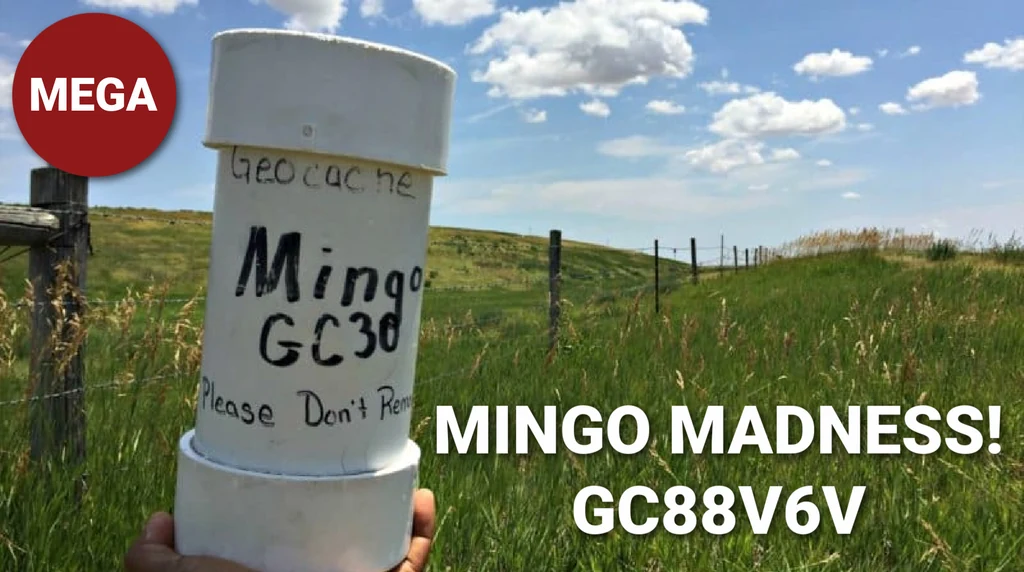
That attachment to Mingo eventually took a collective form through the Mingo Madness gatherings. These events celebrate its age while giving visitors a chance to meet one another and the people involved in its upkeep.
A gathering was held in 2015 for the cache’s fifteenth anniversary. A larger celebration was then planned for its twentieth anniversary in 2020. The pandemic disrupted the schedule and forced a postponement. The Mega-Event finally took place in Colby on May 8, 2021, under the code GC88V6V.
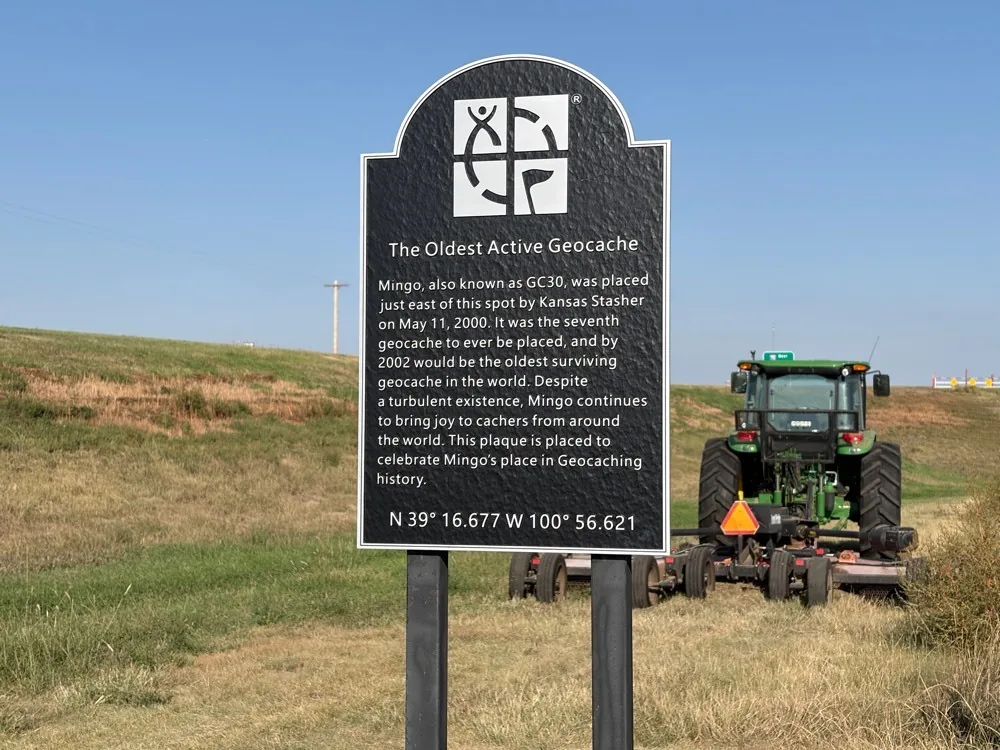
The big celebration did not take place in 2020, but the plaque commemorating Mingo was already ready. Ryan says a group of six people traveled out to install it during that unusual period. It recalls Mingo’s age and the trials it has survived. The entry in the Historical Marker Database credits the Mingo Madness Team with installing it and the Geocache Talk Network with funding it.
Its location was also chosen for a practical reason. Ryan explains that it was intended to encourage visitors to park near the monument, then walk the short distance to Mingo. The wishes of local authorities and the maintenance of the roadside also had to be considered. Even the story of a legendary cache has to make room for parking and mowing.
The plaque then suffered a setback of its own: it was stolen. When Ryan discussed it in the April 2023 podcast, a replacement was still being planned. Things have since moved on. The current page for the virtual cache associated with the monument confirms that a new plaque was commissioned and installed, thanks to fundraising and the community’s efforts, with the involvement of Semmels123. Source: World’s Oldest Cache Plaque, GC88ZW7. Once again, Mingo’s story continues because people decide to replace what has disappeared.
On May 10, 2025, Mingo Madness 25, code GCAHHQQ, marked the quarter-century anniversary with a Geocaching HQ Block Party.
A few dates in Mingo’s history
| Date | Milestone |
|---|---|
| May 3, 2000 | Dave Ulmer places the first cache in Oregon. |
| May 11, 2000 | Mingo’s official listed date; some accounts place the hide on May 10. |
| Early 2000s | Mingo becomes the oldest active cache. |
| August 29, 2004 | Its owner mentions that status in the description. |
| 2015 | A gathering celebrates the cache’s fifteenth anniversary. |
| 2020 | The memorial plaque is installed. |
| May 8, 2021 | The Mega-Event postponed from 2020 takes place. |
| April 2023 | Ryan Semmel’s podcast interview discusses the stolen plaque and plans for its replacement. |
| May 10, 2025 | Mingo Madness 25 celebrates the quarter-century anniversary. |
What Mingo tells us about our game
Mingo brings us back to a simple question: what gives a geocache its value? An ingenious mechanism can amaze us. A beautiful view can be reason enough for a walk. A puzzle can leave a lasting memory, sometimes accompanied by a few sheets of scribbled notes. At Mingo, the value comes from the time that has passed, the visitors who chose this place for a special moment and the people who came back whenever something needed repairing. It also comes from exchanges with local residents, gatherings and stories shared between geocachers. The original container is gone. Logbooks come and go. Even the plaque has had to be replaced. Yet people keep coming.
Perhaps that is what makes this cache so endearing. It shows, in very practical terms, what it means to keep a geocache alive for years: coming back, maintaining it, explaining it, repairing it and giving the next visitors a chance to discover it. In May 2000, someone placed a container to offer a quick stop on a long trip. A quarter of a century later, geocachers are still making the trip for that stop. What is the oldest cache you have found? Was it its age, the journey or the people you met that made it memorable?